The Burrito Standard: A Sleep-Deprived Parent's Guide to TOG Ratings and Safe, Snug Nights
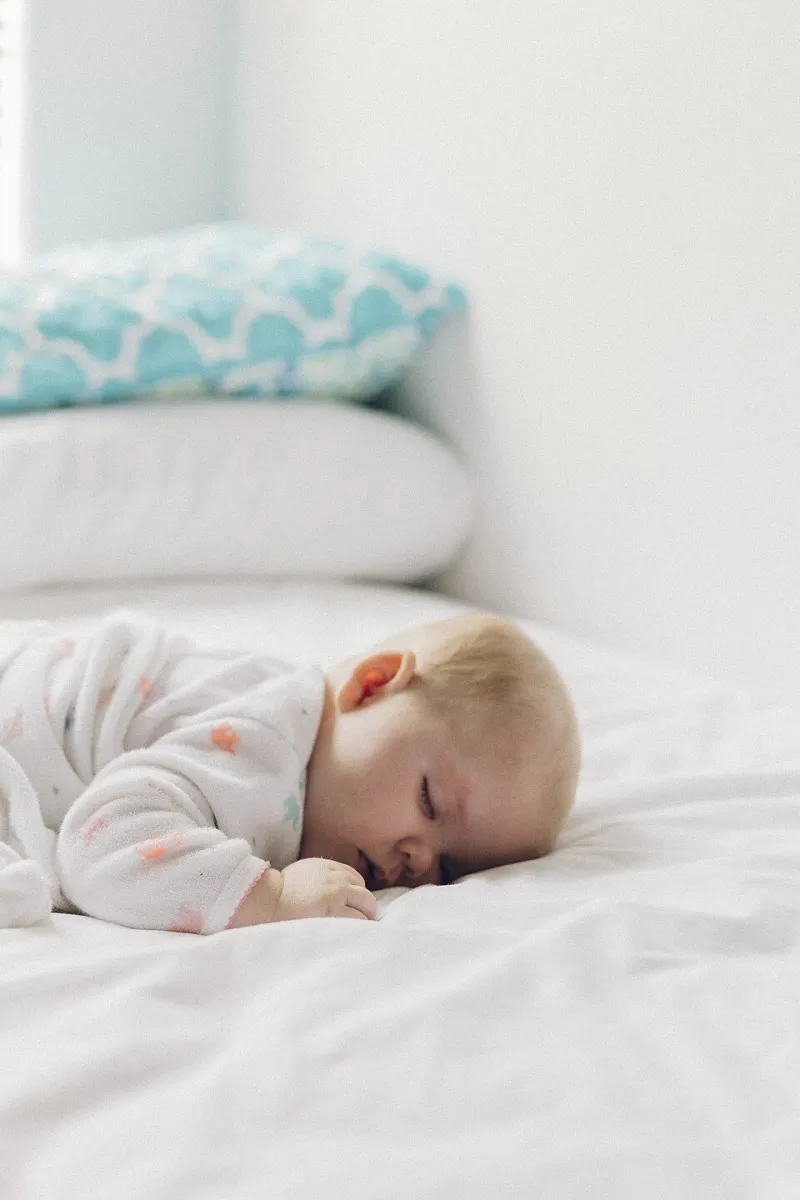
Photo: Dakota Corbin thedakotacorbin, CC0, via Wikimedia Commons
It's 11:47 p.m. The thermostat says 68. Your baby is currently wearing footed pajamas, a swaddle, and a knit blanket your mother-in-law swears by. You're Googling "can baby overheat in sleep sack" with one hand while shushing with the other.
We've been there. And here's the good news: safe sleepwear doesn't require a science degree. It requires one number, one rule, and about ninety seconds of thought before lights out.
First, the One-Piece Rule
If you remember nothing else, remember this: dress baby in one more thin layer than you'd wear to sleep in the same room.
If you're comfortable in a t-shirt and light blanket, baby is likely comfortable in a cotton onesie plus a sleep sack. If you'd be sweating in flannel pajamas and a down comforter, so will your little one.
The temptation — especially in winter — is to pile it on. But overheating is a real safety concern, linked to increased risk in infant sleep. Babies don't need to be bundled like they're headed to a Packers game in January. They need to be consistently comfortable, not toasty.
A quick touch check: feel the back of baby's neck or chest. Warm? You're golden. Sweaty or hot? Shed a layer. Cold hands and feet are normal and not a reliable gauge — go by the core, not the extremities.
TOG, Translated Into Human
TOG stands for "thermal overall grade," which sounds like something from a NASA lab but is really just a measure of insulation. Higher TOG = warmer garment. That's it. That's the whole secret.
Here's the cheat sheet worth taping inside the nursery closet:
| Room Temp | TOG | What Baby Wears Underneath |
|---|---|---|
| 75–78°F | 0.2 | Onesie or short-sleeve bodysuit only |
| 71–74°F | 0.5 | Short or long-sleeve onesie |
| 66–70°F | 1.0 | Long-sleeve cotton footed pajamas |
| 61–65°F | 2.5 | Long-sleeve pajamas plus a warmer bodysuit layer |
Most American nurseries sit somewhere between 68 and 72°F, which means most families land in the 0.5–1.0 TOG range the majority of the year. Translation: you don't need a drawer overflowing with fuzzy options. One or two good sleep sacks per TOG level covers you.
Why One Great Sleep Sack Beats a Pajama Pile
Here's where we save you money and closet space. Loose blankets are off the table for safe sleep in the first year — they can shift, cover faces, and create hazards. A sleep sack gives baby the coziness of a blanket without any of the risk, and it can't be kicked off at 3 a.m.
That means:
- Fewer middle-of-the-night wake-ups from cold, kicked-off covers (a win for everyone's sanity)
- A consistent sleep cue — baby learns that zipping into the sack means sleep time
- Less laundry math — you're washing one sack instead of reconstructing a multi-layer outfit every morning
If you're still in swaddle territory, look for swaddle sacks with a TOG rating too, and plan the transition out of swaddling once baby shows signs of rolling. Many brands make transitional sacks with removable arms that ease that shift gently.
Season by Season, Without the Panic
Summer: A 0.2–0.5 TOG sack over a short-sleeve onesie. If your home runs warm (we see you, second-floor apartments without central air), a diaper plus a breathable muslin sack is plenty. A fan pointed near — not at — baby helps air circulate.
Spring and fall: This is the season of thermostat roulette. Keep a 1.0 TOG sack handy and adjust the underlayer based on that night's forecast rather than committing to one setup for the whole week.
Winter: Resist the urge to double-bag. A 2.5 TOG sack over standard footed pajamas handles most cold snaps, especially if your heat runs overnight. And if you're taking baby out to the car in the cold, remember the golden rule from our winter guide: buckle first, then layer blankets over the straps — never between baby and the harness.
The Midnight Decision Tree
For your foggiest hours, here's the whole system in three questions:
- What's the thermostat say? Match it to the chart above.
- What's under the sack? One thin layer more than what you'd wear.
- How does the neck feel? Warm and dry = perfect. Sweaty = remove a layer. Cool = add one.
That's it. No spreadsheet, no panic, no 2 a.m. forum scrolling.
The Short Version
Safe sleepwear is less about owning more and more about owning right: a couple of well-made sleep sacks in the TOG levels your climate actually demands, breathable cotton underneath, and a thermostat you can trust. Baby stays snug as a burrito — a safely ventilated one — and you get back to the important business of sleeping the two-hour stretches you've earned.
Here's to cozy nights, simple choices, and one less thing to worry about.