That Newborn Laundry Smell, Explained: How to Keep Baby's Drawer Smelling Like Honey
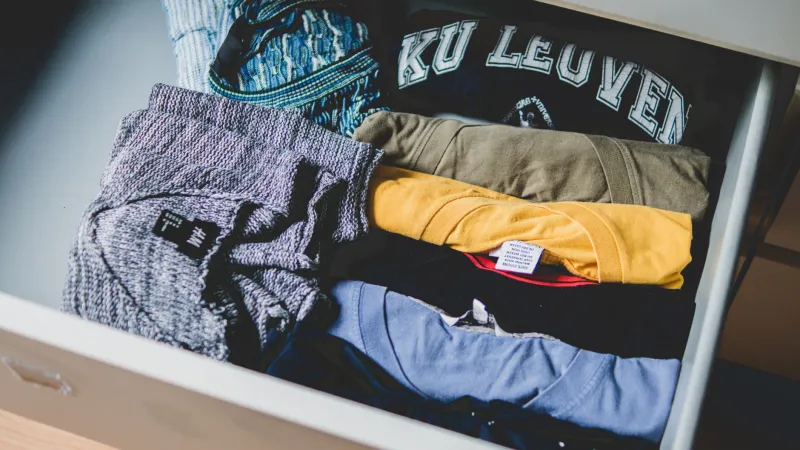
Every parent knows the moment. You open the dresser drawer, pull out a tiny cotton onesie, and inhale. That smell — soft, faintly sweet, somehow like safety — is one of the small, unearned joys of new parenthood.
But here's the thing nobody tells you: that smell isn't magic. It's chemistry, storage, and a few small habits that either work for you or against you. And once you understand them, you can keep every drawer in the nursery smelling like it just came off the line. Consider this your honey-sweet laundry cheat sheet.
What You're Actually Smelling
"Fresh" laundry scent comes from two places: the fabric itself and whatever's left on it after washing. Clean cotton that's fully dry has a naturally pleasant, almost neutral smell — that's the baseline. Everything else is residue from your detergent, a whisper of fabric softener, or, less pleasantly, soap that never rinsed out properly.
That last one matters more than you'd think. Baby skin is thinner and more reactive than adult skin, and leftover detergent residue is one of the most common culprits behind mystery irritation in the first year. So when we talk about keeping clothes smelling fresh, we're really talking about clothes that are genuinely clean — not perfume-masked.
The Fabric Softener Myth, Gently Debunked
Here's the plot twist: most pediatric dermatologists and fabric experts agree you should skip fabric softener for baby clothes entirely.
Why? Softener coats fabric fibers in a thin waxy layer. It feels plush in the moment, but that coating reduces the absorbency of cotton (bad news for burp cloths and anything near a spit-up situation), can trap odor over time, and is a common trigger for sensitive skin. The same goes for dryer sheets — most of their effect comes from the same coating chemistry.
The good news: softness doesn't come from a bottle. It comes from the fabric quality you start with and how you dry. A well-made organic cotton onesie, tumble-dried on low with a wool dryer ball or two, comes out every bit as soft as anything softener could fake — and it stays that way through a hundred washes.
Wash Smart, Not Hard
A few habits that make a real difference:
- Go fragrance-free, dye-free. A gentle, hypoallergenic detergent does the job without leaving a heavy scent signature. Ironically, clothes washed this way end up smelling fresher — that light, clean-cotton smell — rather than perfumed.
- Use less detergent than you think. Modern machines and concentrated formulas need far less than the cap suggests. Extra soap doesn't rinse out; it just sits in the fibers, attracting dirt and dulling the smell.
- Add a half-cup of white vinegar to the rinse cycle. It sounds odd, but vinegar dissolves detergent buildup and neutralizes odors without leaving any smell behind once dry. It's the oldest trick in the laundry playbook for a reason.
- Don't let wet laundry sit. That sour, musty smell that can develop in forgotten loads? It's mildew starting, and once it's in the fabric, it's stubborn. Move clothes to the dryer (or line) promptly.
- Wash at warm, not hot. Hot water is hard on elastic, snaps, and soft cotton weaves. Warm water with a good detergent cleans thoroughly without wearing the fabric out early.
The Drawer Is Half the Battle
You can wash perfectly and still open a drawer to a stale smell. Storage is the overlooked half of the equation.
First, make sure everything is completely dry before it goes in the drawer. Even a hint of residual dampness in a folded onesie will migrate through the stack and leave the whole drawer smelling off within a week.
Second, breathe. Literally — drawers in modern American homes tend to be pressed-wood furniture in climate-controlled rooms, and stagnant air is the enemy of fresh fabric. A small sachet works wonders here. Skip the synthetic plug-ins near the nursery and go simple: a muslin bag of dried lavender, or even a cotton ball with a drop of vanilla. (Fitting, we know.) Just keep scented items near the drawer, not inside direct contact with the clothes.
Finally, rotate. Clothes that sit untouched for months absorb the ambient smell of the room. If you're pulling out the next size up, give it a quick refresh wash — it takes twenty minutes and resets everything.
When Smells Won't Budge
Some odors laugh at a normal wash cycle. Spit-up that sat overnight, diaper blowouts, the infamous sour-milk sleeve — these need a pre-treat. A paste of a little detergent and water rubbed into the fabric thirty minutes before washing handles most of it. For lingering odor, an overnight soak in cool water with a scoop of oxygen bleach (the color-safe kind) lifts smells without the harshness of chlorine.
And if a piece holds onto odor no matter what? That's usually a sign of detergent buildup rather than the smell itself. A strip-and-soak — washing with no detergent at all, then a vinegar rinse — resets the fabric.
The Sweet-Smelling Bottom Line
That honey-fresh smell you love isn't about adding something to the wash. It's about removing everything that doesn't belong: excess soap, softener coating, trapped moisture, stale air. Wash gently with less product, dry fully, store smart, and every drawer in the nursery will smell like that first sniff of a brand-new onesie — every single time you open it.
Your baby's skin will thank you. Your nose will too.