Second Lap, Second Love: The Art of Passing Baby Clothes Along (Gracefully)
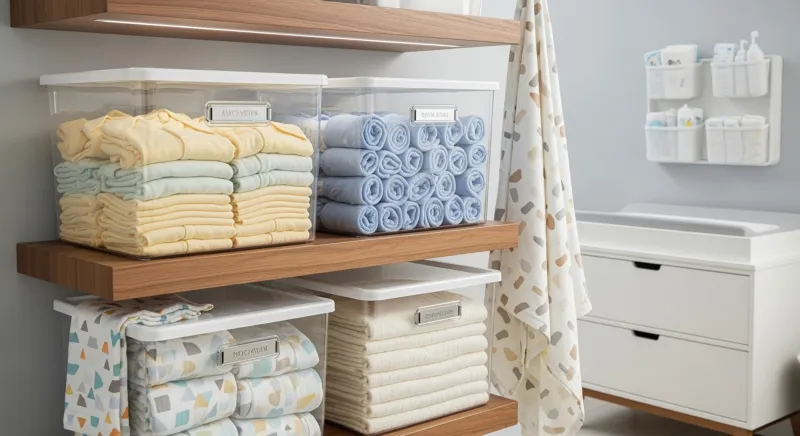
Photo: folded secondhand baby clothes stacked in labeled bins for donation, via ndc.im
Somewhere in your house right now is a tote bag of tiny pajamas your baby wore for exactly six weeks. The snaps still work. The knees never even touched carpet. And yet the bag sits in the closet, waiting for a decision that keeps not getting made.
Here's the thing: baby clothes are built for more than one baby. Babies outgrow outfits long before the outfits wear out, which makes hand-me-downs one of parenting's best-kept economics. But a successful hand-me-down chain — one where clothes actually get worn again instead of languishing in a trunk — takes a little intention. Let's walk through it.
Why the Second Lap Matters
The average baby outfit gets worn a handful of times before it's outgrown. That's a lot of perfectly good cotton sitting idle. Passing clothes along saves the next family real money — the US secondhand kids' market has exploded precisely because parents figured this out — and it keeps textiles out of landfills. Most baby clothing ends up donated or discarded within a year. A well-loved onesie that survives three babies is a small environmental win and a sweet little legacy.
Plus, there's the emotional math. The sleeper your sister's daughter came home from the hospital in? Seeing your nephew wear it hits different than anything you could buy new.
Sorting the Keepers From the Let-Goers
Before anything leaves your house, do an honest pass. Grab three piles:
- Pass it on. Stain-free (or nearly), snaps intact, zippers smooth, no frayed seams. If you'd be happy receiving it, it belongs here.
- Repurpose it. The beloved-but-beat-up burp cloth, the onesie with the mystery stain that survived every treatment. These become rags, doll blankets, or keepsake quilts.
- Let it go. Stretched-out necklines, broken snaps, anything safety-recalled. When in doubt, check the Consumer Product Safety Commission's recall list — it's a quick search and worth doing for anything with drawstrings, snaps, or decorative pieces.
A good rule of thumb: if you hesitated when you pulled it out of the drawer, the next parent will hesitate too.
The Pre-Gift Refresh
Nobody's asking for museum condition, but a little effort goes a long way:
Wash everything. Even clothes that look clean. Run them through a gentle, fragrance-free cycle and dry them fully — this lifts faint odors and gives the next parent a fresh start.
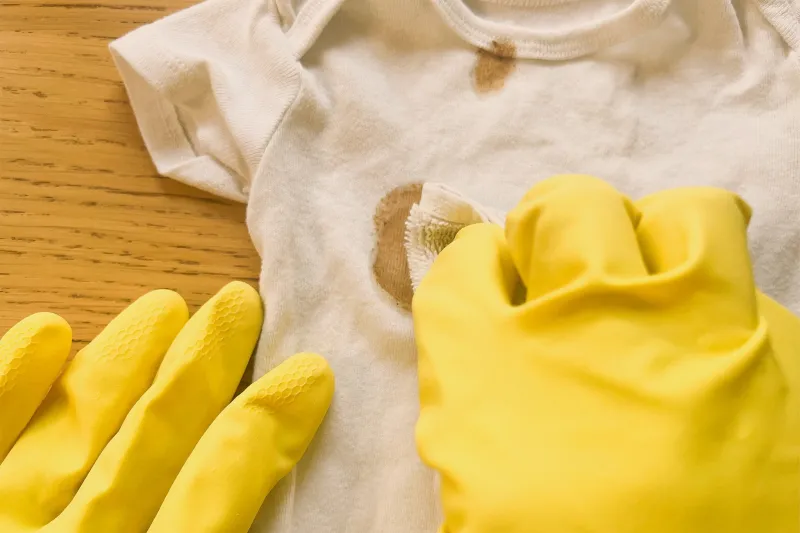
Tackle the yellow stains. A paste of baking soda and water, or a sun-dry after washing, works wonders on those stubborn underarm and neckline yellows on older cotton.
Make minor repairs. A loose button takes two minutes. If you can't sew, a small safety pin note isn't charming — just set those pieces aside instead.
Group by size and season. A bin labeled "6–9 months, fall/winter" is a gift. A jumbled bag of mixed sizes is a project.
How to Offer Without Overwhelming
The best hand-me-down offers come with an easy out. Try: "I've got a bin of 3–6 month stuff if you'd like any of it — totally fine to take some and pass the rest along." That framing does two things. It signals the clothes are a resource, not an obligation, and it normalizes the idea that the recipient gets to curate.
Offer once, warmly, and then let it go. Nobody wants to feel like a consignment shop's overflow aisle.
When You're the Receiving End
Graciously accepting hand-me-downs is its own skill. Say yes to what you'll genuinely use, and be honest about the rest: "We're set on sleepers, but the outdoor stuff would be great!" Most givers would rather you take three pieces you love than a bin you'll re-donate in a month.
And if you're drowning in offers? A simple, kind boundary works: "We're overflowing right now, but I'll shout if we run short." No apology required.
Hosting a Swap That Actually Works
Want to scale this up? A baby clothes swap with your parent group, church, or neighborhood crew is low-cost and genuinely fun. The formula:
- Set a date and a drop-off window a week ahead, so clothes can be sorted before the event.
- Organize by size on folding tables — 0–3, 3–6, 6–12, 12–24, and shoes/gear.
- Skip the counting rules. Take-what-you-need, leave-what-you-don't keeps the vibe generous.
- Have a plan for leftovers. Line up a donation partner in advance — a local shelter, a church nursery, or a national organization like Baby2Baby — so nothing gets hauled back home.
Add coffee and a pack of donuts and you've basically got a playdate.
The Etiquette of the Chain
A few unwritten rules worth honoring:
- Don't hand back. If clothes come back to you, either re-pass them forward or donate — don't boomerang them to the original giver.
- A photo is the best thank-you. Send the original giver a picture of your baby in their kid's old hoodie. It costs nothing and means everything.
- Pass forward, not perfect. The goal isn't a pristine archive; it's clothes on babies.
The hand-me-down chain only works when everyone keeps the links moving. Sort honestly, wash warmly, offer lightly — and those tiny clothes keep doing what they do best: wrapping up somebody's littlest love, again and again.