The Wash Test: Why Some $8 Onesies Outlast $30 Onesies (and How to Tell Before You Buy)
Somewhere between the registry and the third night of onesie changes, every new parent faces the same question: does a $30 onesie actually do anything an $8 one can't? The short answer is sometimes yes, sometimes absolutely not. The long answer — the one that saves you real money — is below.
What You're Actually Paying For
Strip away the cute packaging and the embroidered logo, and a onesie is just cotton, thread, and construction. Price differences usually come down to three things:
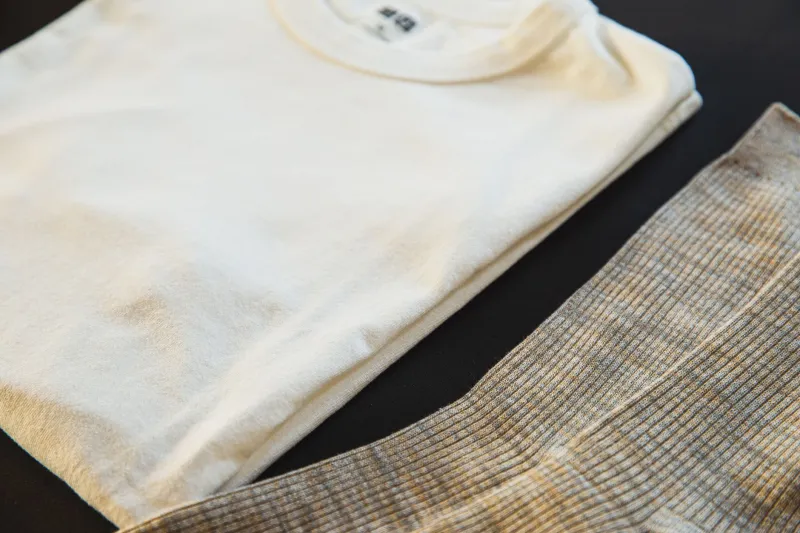
- Fabric grade. Premium basics often use long-staple organic cotton or Pima cotton, which feels silkier and pills less. Budget packs typically use shorter-staple cotton blends.
- Construction. Look at the seams inside the garment. Double-needle stitching and folded hems cost more to make but hold shape far longer.
- Dye and finish. Higher-end dyes fade less dramatically and are often OEKO-TEX certified, meaning fewer questionable chemicals against brand-new skin.
Notice what's not on that list: cuteness. A $8 onesie with a screen-printed avocado can be just as adorable as the boutique version.
The Ten-Wash Reality Check
Here's where the gap shows. After ten cycles — which for a baby in size 3-6 months happens in roughly three weeks — here's what typically happens to each tier:
Budget ($5–$10 each): Slight shrinkage, some fading, occasional pilling at the underarms. Snaps may loosen. The neckline can stretch out, especially on cheaper ribbing.
Mid-range ($10–$20): Mostly holds shape. This is the sweet spot for everyday wear in our experience.
Premium ($25–$35+): Minimal shrinkage, fabric actually softens rather than breaks down, snaps stay tight. This is the one that becomes a hand-me-down.
The catch? Your baby will outgrow every single one of them. A onesie gets worn for about three months, tops. That math matters.
Cost-Per-Wear: The Only Math That Matters
Let's say a premium onesie gets worn 60 times before it's outgrown, and a budget one gets worn 40 times before it shrinks weird or the neck gives up.
- $30 ÷ 60 = $0.50 per wear
- $8 ÷ 40 = $0.20 per wear
Budget wins on pure numbers — if the budget onesie survives those 40 wears. The problem is you can't always know that in advance, which brings us to the rubric.
The MelliBaby Splurge-or-Save Rubric
Splurge when:
- The piece is worn daily (everyday onesies, sleepers, footed pajamas)
- It's a special-occasion outfit you plan to keep or photograph
- The fabric touches skin for long stretches (overnight sleepwear)
- You're buying a size that spans a long window, like 9-12 months
Save when:
- It's a backup for blowouts and spit-up emergencies
- It's a novelty print worn once for a photo
- Your baby is mid-growth-spurt and might skip a size entirely
- It's a seasonal piece with a short wear window (that pumpkin tee has maybe six weeks of relevance)
Five Checks Before You Buy Anything
- The scrunch test. Crumple the fabric in your fist. If it stays wrinkled and feels papery, it'll pill fast.
- Stretch the neckline. It should snap back, not stay stretched.
- Read the tag. 100% cotton or cotton-rich blends hold up. Anything under 80% cotton gets scratchy fast.
- Check the snaps. Metal snaps beat plastic. Snug, evenly spaced snaps signal better manufacturing.
- Feel the inside seams. Flat, covered seams mean less chafing and longer life.
The Honest Bottom Line
Most real-life baby wardrobes are a mix, and that's the right answer. A handful of quality everyday pieces, padded out with a stack of affordable multipacks for the inevitable chaos days. Your baby doesn't know the difference — but your laundry pile and your wallet will.
Buy the soft stuff where it counts. Save the rest for the spit-up.