Buy Less, Keep Longer: The Quiet Case for Heirloom Baby Clothes
Let us be the ones to say it: your baby does not need forty outfits.
We know, we know — we sell baby clothes. But here's what we've noticed after years of watching what actually happens in families: the vast majority of baby wardrobe gets worn a handful of times, outgrown in a season, and shuffled off to a donation bin with the tags still on. Meanwhile, the pieces that survive — the soft cotton gown a firstborn came home in, the cardigan that's now on its third cousin — become the things parents actually treasure.
There's a real argument for buying fewer baby clothes and choosing them better. Not just for the planet, though that's part of it. For the story.
The Math Nobody Does at the Baby Register
The average baby outfit is worn for about eight weeks before it's outgrown. Eight weeks! That adorable boutique romper at $38? If it's worn six times, you're paying more per wear than your own jeans.
Now compare that to a well-made piece — quality cotton, reinforced seams, a cut that accommodates a growth spurt. It might cost a bit more up front, but it holds its shape through dozens of wears and washes, looks presentable enough to hand down, and still fetches real money on a resale platform like Kidizen or at a local consignment shop when your baby moves on.
Fast-fashion baby hauls aren't just clutter. They're the most expensive way to dress a tiny person, measured per wear.
What "Durable Enough for Three Cousins" Actually Looks Like
Not every baby garment can survive the family relay. The ones that can share a few traits:
- Fiber first. 100% cotton, cotton knits, and quality cotton-blend fleece hold up wash after wash. Anything with heavy synthetics or thin, gauzy weaves tends to pill and thin out fast.
- Weight matters. Hold it up. If it feels flimsy in your hand, imagine it after the third baby has spit up on it.
- Simple construction. Flat, sturdy seams; generous hems that can be let down or cuffed; classic shapes that won't read as "2019" in a decade.
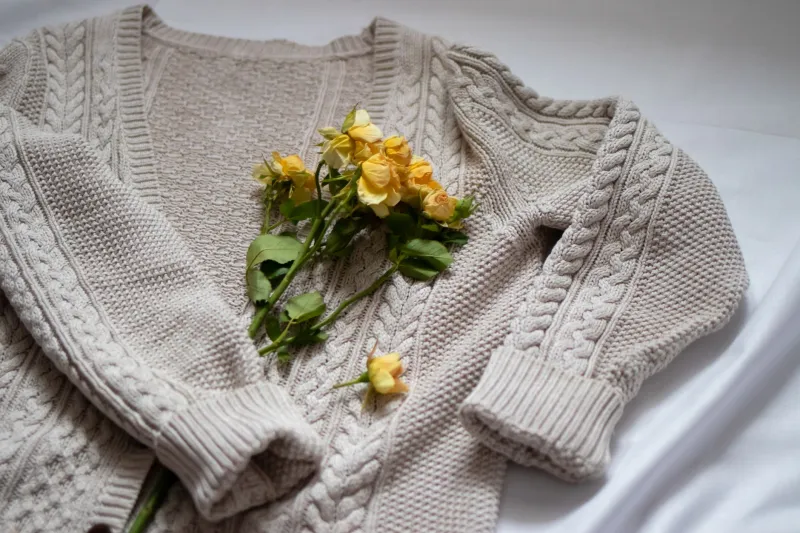
- Neutral or timeless design. That trendy banana-print onesie is fun for one season. A cream knit cardigan works for every baby, every decade.
- Forgiving fit. Pieces with fold-over cuffs, roll-up sleeves, and roomy cuts get two or three size-stages out of one garment.
The test we use at MelliBaby: could this piece go through the wash fifty times and still look like something you'd put on a baby you love? If yes, it's heirloom material.
Store It Like You Mean It
The difference between a hand-me-down and a mystery box of yellowed fabric is storage. If you're saving pieces for a future sibling or cousin:
- Wash everything first, and make sure it's fully dry — moisture is the enemy.
- Skip the vacuum-seal bags. Compressing natural fibers for years flattens and weakens them. Breathable cotton bins or acid-free boxes win.
- Add a lavender sachet or cedar block, not mothballs. Nobody wants to unwrap a keepsake that smells like a hardware store.
- Label the bin with sizes and seasons. Future-you is a stranger. Be kind to her.
- Store somewhere climate-stable — a bedroom closet beats a garage or attic, which swing from damp to scorching.
Keep One or Two Things. That's the Whole Assignment.
Here's the emotional case, and we'll make it plainly: you don't need to preserve an archive. You need one or two pieces that carry the weight.
The going-home-from-the-hospital outfit. The little sweater a grandmother picked out. The sleep gown that got your first baby through the first month. Keep those, washed, folded, labeled with the story — yes, write it down, even just on a card tucked in the bin. "You wore this home from the hospital in October 2024. Your cousin wore it home in 2027."
That's not clutter. That's a family artifact.
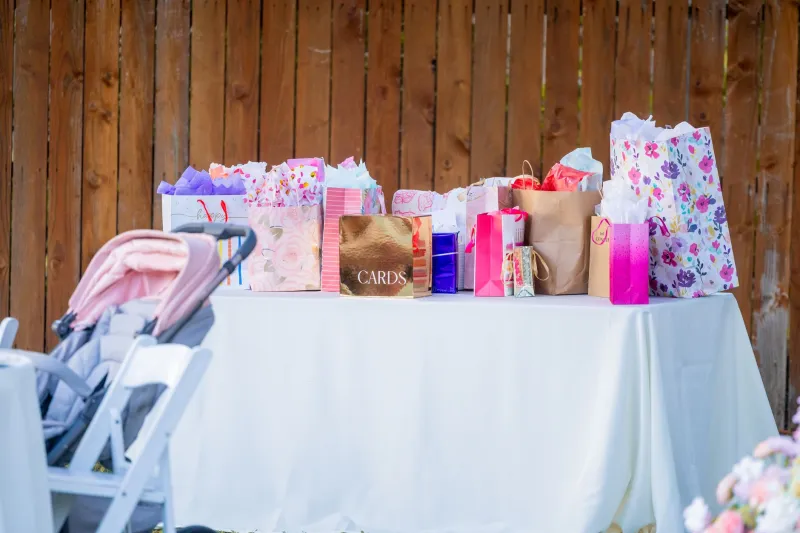
And when you're shopping for a shower gift? This is the mindset worth gifting. One beautifully made, durable piece — with a note about why you chose it — beats a bag of six disposable onesies every single time. New parents don't remember the haul. They remember the one thing that lasted.